Non Stick and Stainless Frying Pans: Choosing the Right Tool for Your Kitchen
Every home cook eventually faces the same dilemma: should you reach for a non stick pan or a stainless steel frying pan? The decision can shape how your food turns out, how much oil you use, and even how long your cookware lasts. Understanding the strengths and limitations of both non stick and stainless frying pans helps you cook with more confidence and get better results every time you step into the kitchen.
Whether you are just starting to build your cookware collection or looking to replace a worn-out pan, knowing what each type offers makes all the difference. Both non stick and stainless frying pans have earned their place in kitchens around the world, but they serve different purposes. The key is learning when to use which one and how to care for each properly.
What Makes Non Stick Frying Pans Different
Non stick frying pans feature a coating that prevents food from clinging to the surface during cooking. Most modern non stick pans use a polytetrafluoroethylene (PTFE) coating, often referred to by the brand name Teflon, while others use ceramic-based coatings. The smooth, slick surface means you can cook with very little oil or butter, making these pans popular for anyone watching their fat intake or trying to prepare lighter meals.
The primary advantage of a non stick frying pan is obvious from its name: eggs slide right off, delicate fish fillets stay intact, and pancakes flip without tearing. For beginners who are still learning temperature control and timing, a non stick pan provides a forgiving surface that helps build confidence. Cleanup is also remarkably easy, usually requiring nothing more than a soft sponge and some warm, soapy water.
However, non stick frying pans come with trade-offs. The coating can degrade over time, especially when exposed to high heat or metal utensils. Most non stick pans should not be heated above medium-high temperatures, which limits their ability to create a deep, brown sear on meats. The coating also means you cannot use them under a broiler or in a very hot oven, restricting versatility.
The Case for Stainless Steel Frying Pans
Stainless steel frying pans are the workhorses of professional and home kitchens alike. Made from an alloy that includes chromium and nickel, stainless steel resists rust, corrosion, and staining. Most quality stainless pans feature an aluminum or copper core sandwiched between layers of steel to improve heat distribution, since stainless steel alone does not conduct heat evenly.
Unlike non stick surfaces, stainless steel allows food to stick initially and then release naturally once a proper sear has formed. This sticking is actually desirable when you want to create fond, the browned bits that cling to the bottom of the pan and form the foundation of rich pan sauces, gravies, and braises. A stainless steel frying pan can handle high heat, transition from stovetop to oven, and develop a beautiful crust on proteins like steak, chicken, and pork chops.
The learning curve with stainless steel is steeper than with non stick. You need to preheat the pan properly, use adequate fat, and resist the urge to move food too early. Once you master these techniques, though, a stainless steel frying pan becomes indispensable for everything from sautéing vegetables to making one-pan meals finished in the oven.
Common Challenges Home Cooks Face
Many people struggle with knowing which pan to use for which task. Grabbing a non stick pan for a high-heat sear leads to disappointing results and potentially damaged cookware. Using stainless steel for a delicate omelet often ends with eggs glued stubbornly to the surface. These frustrations are common, but they are easily solved with a bit of knowledge and practice.
Another challenge is maintaining pans properly. Non stick pans require gentle care: no metal utensils, no abrasive scrubbers, and careful storage to avoid scratching the coating. Stainless steel is far more durable but can discolor from heat or develop stubborn stuck-on residue after cooking starchy or protein-rich foods. Learning the right cleaning techniques for each type extends the life of your investment significantly.
Budget also plays a role. High-quality stainless steel frying pans can be expensive upfront but last for decades. Non stick pans are generally less costly but need replacement every few years as the coating wears down. Understanding this trade-off helps you allocate your kitchen budget wisely.
How to Choose Based on Your Cooking Style
If you cook a lot of eggs, pancakes, crepes, or delicate fish, a non stick frying pan is practically essential. The ease of use and reliable release make these foods nearly foolproof. A medium-sized non stick pan, around ten to twelve inches in diameter, handles most breakfast and brunch tasks beautifully.
For those who love to sear meats, deglaze with wine or stock, and build complex sauces, a stainless steel frying pan is the better choice. The ability to develop fond and withstand high heat opens up a world of cooking techniques that non stick simply cannot match. A twelve-inch stainless steel pan with a tri-ply construction provides excellent heat distribution and enough surface area to sear multiple pieces of protein at once without crowding.
Many experienced cooks keep both types on hand. A well-equipped kitchen typically includes at least one non stick pan for eggs and delicate items, plus one or more stainless steel pans for general sautéing, searing, and sauce work. This combination covers the vast majority of stovetop cooking needs without requiring a drawer full of specialized pans.
Practical Tips for Using Non Stick Frying Pans
Always use silicone, wood, or plastic utensils with your non stick frying pans. Metal spatulas and tongs scratch the coating, shortening the pan's usable life. Heat the pan gently and never leave it empty over high heat, as overheating can damage the coating and potentially release harmful fumes. Adding oil or food to the pan before it gets too hot helps protect the surface.
When cleaning non stick pans, let them cool before running water over them. Sudden temperature changes can warp the metal and cause the coating to crack or peel. Use a soft sponge or cloth rather than steel wool or abrasive pads. If food residue remains after washing, soak the pan in warm, soapy water for a few minutes before gently wiping it clean.
Storing non stick pans properly also matters. Stacking them directly on top of one another can scratch the cooking surface. Placing a paper towel, soft cloth, or purpose-made pan protector between stacked pans prevents damage and keeps your non stick frying pans in good condition longer.
Getting the Best Results from Stainless Steel Pans
Preheating is critical with stainless steel. Place the pan over medium heat and let it warm up for a minute or two before adding oil. You can test readiness by flicking a few drops of water into the pan: they should bead up and dance across the surface rather than sizzle and evaporate immediately. Once the pan is hot, add your oil and swirl to coat the bottom, then add your food.
Patience pays off when cooking with stainless steel. Food will stick at first, but as it browns and forms a crust, it will release naturally. Trying to flip or move food too early tears the surface and leaves browned bits behind without the food. Let proteins cook undisturbed for several minutes before attempting to turn them.
Cleaning stainless steel pans often requires a bit more effort than non stick. For stubborn residue, deglaze the pan with a splash of water or broth while it is still hot, scraping with a wooden spoon to loosen fond. For deeper cleaning, a paste of baking soda and water applied with a soft cloth removes discoloration and restores the pan's shine. Bar Keepers Friend and similar powdered cleansers work wonders on tough stains without damaging the steel.
When Visual Content Supports Your Kitchen Journey
Learning to cook with different types of frying pans is easier when you have clear visual references. Many home cooks, food bloggers, and culinary educators rely on high-quality illustrations and graphics to explain techniques, compare pan types, or create engaging content for their audiences. This is where thoughtfully designed digital assets become valuable.
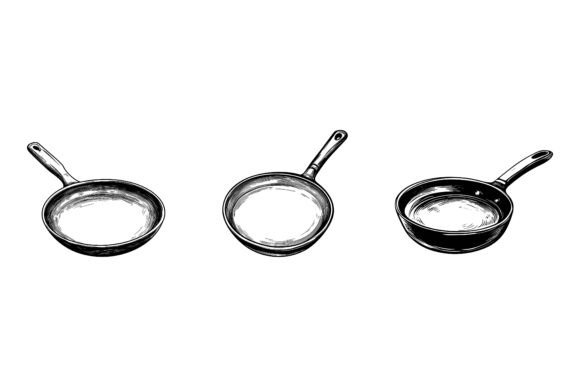
Our special AI EPS illustration collection includes detailed, professionally crafted images of non stick and stainless frying pans, among other kitchen essentials. These illustrations are designed with attention to detail and consistency, making them suitable for a wide range of uses. Whether you are creating a cooking guide, designing an app interface, building an infographic, or developing print materials for a culinary business, having access to editable vector artwork saves time and elevates your projects.
Each file in the collection comes in AI, EPS, and JPG formats, organized with a clean layer structure that makes customization straightforward. The illustrations work on both Mac and Windows systems, so you can integrate them into your workflow regardless of your preferred platform. You can change colors, modify shapes, and adapt the artwork to match your specific needs without starting from scratch.
Putting It All Together
Building a functional kitchen starts with understanding your tools. Non stick frying pans offer convenience and ease for delicate foods and low-fat cooking. Stainless steel frying pans provide durability, versatility, and the ability to develop deep, complex flavors through proper browning and deglazing. Most home cooks benefit from having at least one of each, using them for their respective strengths to produce consistently satisfying meals.
Take time to learn how your pans behave at different temperatures and with different foods. Experiment with recipes that highlight each pan's capabilities: a fluffy French omelet in your non stick pan, a perfectly seared steak finished with a pan sauce in your stainless steel pan. As you gain experience, you will develop an intuitive sense of which pan to reach for and how to get the best performance from it.
For those who create content about cooking, whether for personal blogs, professional portfolios, or commercial projects, pairing your expertise with high-quality visuals makes your work more engaging and accessible. The right illustrations can clarify instructions, enhance branding, and help your audience connect with your message. When you find resources that combine quality with flexibility, like our AI EPS illustration sets, you save time and achieve more polished results.
Invest in pans that suit your cooking style, care for them properly, and surround yourself with resources that support your culinary goals. The kitchen is a place of creativity and nourishment, and having the right tools, both physical and digital, empowers you to make the most of every meal you prepare.