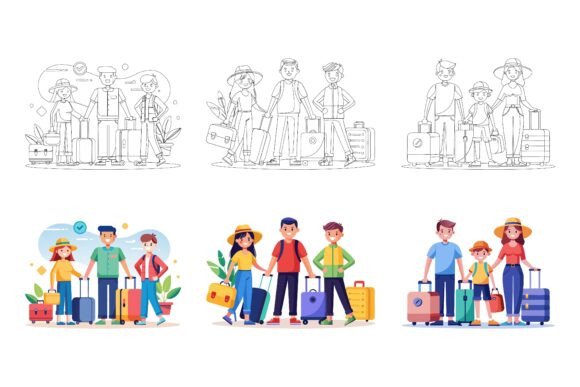
Evaluating Family Travel: Is It the Right Choice for Your Next Adventure
Family travel refers to trips planned and undertaken with children, parents, grandparents, or multi-generational groups traveling together. More than simply moving from one place to another, family travel encompasses shared experiences, collective decision-making, and itineraries designed to accommodate varying ages, interests, and energy levels. It can range from weekend road trips and beach vacations to international excursions and immersive cultural tours. The defining characteristic is the group dynamic. Unlike solo or couple travel, family travel requires balancing individual preferences with the needs of the whole unit. This balancing act shapes every aspect of the journey, from destination selection and budgeting to daily schedules and activity pacing.
Understanding the Appeal of Family Travel
Many people are drawn to family travel because it offers something that material possessions cannot replicate: uninterrupted time together. In daily life, routines, school, work, and extracurricular commitments often fragment family interactions. Travel temporarily removes those barriers. Parents and children wake up in new environments, navigate unfamiliar settings, and solve problems together. This shared novelty can strengthen bonds and create memories that persist long after the trip concludes. Some families also see travel as an educational tool. Exposure to different cultures, languages, cuisines, and historical sites can broaden a child's perspective in ways that classrooms may not fully capture. For adults, watching children discover the world often rekindles their own sense of wonder.
Key Benefits Worth Considering
Family travel delivers several tangible and intangible benefits. Understanding these can help you weigh whether the investment of time, money, and energy aligns with your priorities.
- Strengthened relationships. Shared challenges and discoveries create a unique bonding environment. Families often return home with inside jokes, stories, and a deeper understanding of one another.
- Educational growth. Children encounter geography, history, and social studies firsthand. Navigating airports, reading maps, and interacting with locals build practical life skills.
- Flexibility and adaptability. Travel teaches families to handle unpredictability. Delayed flights, language barriers, and itinerary changes become opportunities to model resilience.
- Expanded worldview. Exposure to different ways of living can nurture empathy and cultural awareness in children and adults alike.
These benefits do not materialize automatically. They depend on thoughtful planning, realistic expectations, and a willingness to embrace both the highs and the inevitable low moments of traveling as a group.
Tradeoffs and Practical Challenges
Family travel is not a universally ideal experience. It comes with tradeoffs that deserve honest evaluation before committing to a trip. The most obvious factor is cost. Traveling with multiple people multiplies expenses for transportation, accommodation, meals, and activities. Budgeting for a family requires careful attention to detail, and unexpected costs can strain finances if not anticipated.
Pacing presents another challenge. Adult travelers might enjoy leisurely museum visits or long dinners, but children often have shorter attention spans and different needs. An itinerary packed with adult-oriented activities can lead to frustration for everyone. Conversely, building the entire trip around children may leave adults feeling unfulfilled. Finding equilibrium requires compromise. Sleep disruptions, dietary considerations, and managing sibling dynamics in confined spaces also test patience. Parents may find that family travel feels less like a vacation and more like parenting in a different location, albeit with better scenery.
Logistics add another layer of complexity. Coordinating schedules, packing for multiple people, managing documents, and researching family-friendly accommodations demand significant pre-trip effort. The planning phase itself can feel overwhelming, particularly for first-time family travelers.
Where Family Travel Excels: Strong-Fit Scenarios
Family travel tends to work best when certain conditions are in place. Destinations with established family-friendly infrastructure, such as resorts with kids' clubs, cities with accessible public transportation, or regions known for outdoor activities, often reduce friction. Trips centered around shared interests, like nature, wildlife, or specific hobbies, can unify the group around a common theme.
Family travel also thrives when expectations align with developmental realities. Traveling with a toddler looks vastly different from traveling with a teenager. Families who embrace slower pacing, frequent breaks, and flexible schedules often report more satisfying experiences than those who attempt to replicate pre-child itineraries. Multi-generational trips, where grandparents join the journey, can distribute childcare responsibilities and enrich the experience through diverse perspectives.
When Alternatives Merit Consideration
There are circumstances where family travel may not be the most suitable option. If the primary goal is deep relaxation, uninterrupted adult conversation, or spontaneous adventure, traveling alone or as a couple might better serve those needs. Some destinations pose genuine safety concerns, lack adequate medical facilities, or present logistical hurdles that make traveling with young children inadvisable.
Budget constraints can also tip the scales. If family travel would create financial stress that outweighs the anticipated benefits, alternatives like staycations, local day trips, or shorter regional getaways can provide meaningful connection at a lower cost. Similarly, if family members have significantly divergent interests, splitting into smaller groups for portions of a trip, or delaying travel until children are older, may lead to a more harmonious experience.
Decision-Making Insights for Prospective Travelers
Making an informed choice about family travel involves honest self-assessment. Start by identifying your primary motivation. Are you seeking education, relaxation, connection, or adventure? Name the goal, then evaluate whether the destination and itinerary can realistically deliver it given your family's composition. Consider the ages, temperaments, and needs of each traveler. A destination that captivates a ten-year-old may overwhelm a three-year-old.
Budget realistically, and then add a buffer. Research costs for family-friendly lodging, meals, activities, and transportation. Look beyond the sticker price of flights and hotels. Factor in incidentals like snacks, souvenirs, and downtime activities. Time of year matters significantly. Traveling during school breaks often means higher prices and larger crowds, which can impact the experience. Shoulder season travel may offer better value and a more relaxed atmosphere, though it may require pulling children out of school.
Involve children in the planning process where appropriate. Giving kids a voice in selecting activities or researching destinations can increase their engagement and reduce resistance during the trip. Even young children can look at pictures and express preferences. This collaborative approach often leads to more balanced itineraries.
Visual Planning Resources and Tools
An often-overlooked aspect of family travel preparation is the role of visual materials. Whether you are a travel blogger documenting your journey, a travel agency designing family packages, or a parent creating a personalized itinerary booklet, having access to high-quality illustrations can enhance communication and excitement. Well-organized visual assets help convey information clearly to children and adults alike. For those developing travel-related content, resources such as themed illustration sets can streamline the creative process. Certain collections focus specifically on family travel imagery and offer multiple file variations, including AI, EPS, and JPG formats. These files are designed for compatibility with both Mac and Windows systems, with neatly organized layers and structures that simplify editing. Users can adjust colors, modify icons, and adapt graphics to fit specific themes, whether for print materials, web use, mobile applications, or infographics. The attention to detail and consistency in such resources supports professional-looking results without requiring advanced design skills.
Assessing Whether Family Travel Aligns with Your Goals
Ultimately, the question is not whether family travel is inherently good or bad. It is whether it aligns with what you value most at this stage of life. Reflect on past trips. What worked? What caused stress? Use those insights to guide future decisions. If connection and shared discovery rank high on your list, the challenges of family travel may feel worthwhile. If you are in a season where bandwidth and resources are limited, there is no shame in choosing simpler alternatives.
Family travel represents an investment, not just of money, but of energy, patience, and intention. When approached with clarity about its demands and rewards, it can become a meaningful chapter in a family's story. When forced or undertaken without realistic expectations, it can lead to disappointment. The most successful family trips often emerge from a blend of careful planning, mutual flexibility, and a willingness to laugh when things go sideways. Take time to evaluate your priorities, consider the makeup of your traveling group, and decide from a place of honesty rather than external pressure. That deliberate approach is what transforms a trip into a genuinely rewarding family experience.