Unlocking Creativity with Geometric Pattern Symbols
Geometric pattern symbols have quietly shaped the visual language of our everyday environments. From the rhythmic tiles underfoot to the intricate motifs on a smartphone app icon, these mathematically inspired forms communicate order, balance, and beauty without uttering a single word. Whether you are a seasoned graphic designer, a small business owner refreshing a brand identity, or a curious hobbyist exploring digital art, understanding Geometric Pattern Symbols opens a door to a versatile and enduring design resource. This article walks you through what makes these symbols so compelling, how they function in real projects, and what you can expect when you begin working with them.
What Exactly Are Geometric Pattern Symbols?
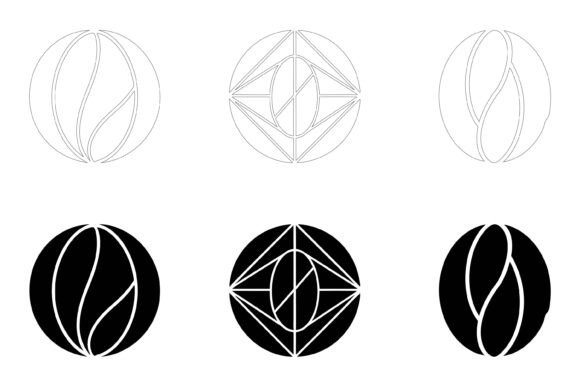
At their heart, Geometric Pattern Symbols are visual elements constructed from basic shapes—circles, squares, triangles, polygons, and lines—arranged into repeatable or standalone motifs. Unlike freeform illustrations that rely on organic, hand-drawn strokes, geometric symbols lean on mathematical precision. They convey a sense of stability and universality that transcends cultural boundaries. A hexagon-based emblem, for instance, can represent unity in one context and technological sophistication in another, all because the underlying structure feels inherently rational and trustworthy.
The beauty of working with these symbols lies in their adaptability. You might encounter them as minimalist logos, dense mandala-like decorations, or clean interface icons. Because they are rooted in geometry, they scale effortlessly from a tiny favicon to a large-format banner without losing crispness. This scalability is one reason professionals in print, web design, and app development consistently return to geometric motifs when they need reliable, high-quality visual assets.
Why Creators and Professionals Gravitate Toward Them
Walk through any design portfolio or browse a marketplace of digital assets, and you will notice a recurring theme: geometric visuals dominate. The reason is partly psychological. Humans are naturally drawn to symmetry and proportion. Geometric Pattern Symbols tap into that innate preference, making compositions feel harmonious and intentional. For businesses, this translates into logos and marketing materials that appear polished and credible. For app developers, it means icons and navigation elements that users intuitively understand.
Beyond aesthetics, there is a practical workflow advantage. When you build a project around a well-organized illustration set—such as a collection that includes AI, EPS, and JPG formats—you eliminate hours of tedious vector tracing. Everything arrives neatly structured, with layers and files clearly labeled. This kind of thoughtful organization matters deeply when deadlines loom. Instead of hunting through a messy folder, you can locate the exact symbol you need, drop it into your composition, and adjust colors or modify shapes to align with your brand palette. The result is a faster, smoother creative process that still yields professional-grade output.
Inside a Quality Illustration Collection
Not all asset packs are created equal. When evaluating an Geometric Pattern Symbols set, details separate a genuinely useful resource from a frustrating one. A well-crafted collection typically includes vector file formats like AI and EPS, ensuring compatibility with industry-standard software on both Mac and Windows platforms. Additionally, a high-resolution JPG preview or raster version gives you a quick reference without needing to open a heavy vector application. This cross-platform readiness means you can collaborate with team members regardless of their operating system, which is essential in today's mixed-device studios.
Another hallmark of a quality set is its internal organization. Look for collections that boast a neat file and layer structure. This might sound like a minor convenience, but in practice it is transformative. Imagine opening a master file to find every symbol thoughtfully grouped on its own layer or artboard, with descriptive naming conventions. You can toggle visibility, isolate a single icon, and export it in seconds. Such perfection in details and consistency ensures that every symbol—whether a delicate filigree or a bold hexagonal badge—maintains the same stroke width, stylistic tone, and visual weight. The cohesive design language means you can mix and match symbols without worrying about jarring stylistic clashes.
Editable, Flexible, and Ready to Adapt
Perhaps the single most valuable feature of a vector-based geometric symbols pack is editability. Unlike a static image you download and must use as-is, a properly built AI or EPS file invites modification. You can recolor a symbol to match your brand's hex codes, tweak individual anchor points to soften a corner, or combine multiple symbols into an entirely new composition. This freedom means the collection grows with you. What starts as a set for a presentation deck might later inform the iconography of a mobile app or the decorative borders of printed stationery. The ability to change colors and modify icons easily according to your needs ensures long-term relevance, far beyond a single project.
Where Geometric Pattern Symbols Shine in Real-World Projects
The range of applications for Geometric Pattern Symbols is remarkably broad. Consider the following scenarios where they become indispensable:
- Print Collateral: Brochures, business cards, and poster designs benefit from structured backgrounds and ornamental dividers built from geometric elements. Because the source files are vector-based, you can scale artwork to billboard size with zero quality loss.
- Web and App Interfaces: Icons, loading animations, and navigation symbols crafted from geometric foundations feel crisp on high-resolution screens. Their mathematical precision aligns beautifully with pixel grids, reducing the blur and fuzziness that plague raster graphics.
- Infographics and Data Visualization: Clean geometric markers help audiences process complex information. Circles, triangles, and diamond shapes act as intuitive bullet points, chart markers, or process-flow indicators that maintain visual consistency across dense data sets.
- Brand Identity Systems: A core geometric logo can spawn an entire visual vocabulary—patterns, secondary icons, watermark textures—that unifies packaging, social media templates, and website elements under one recognizable aesthetic.
- Textile and Surface Design: Repeating geometric motifs translate seamlessly onto fabric, wallpaper, or product packaging, creating contemporary patterns that feel both modern and timeless.
In each of these applications, the underlying strength is the same: geometric symbols provide a foundation of order that you can build upon creatively. They can be as bold or as subtle as the project demands.
The Human Side of Digital Assets
It is easy to reduce digital illustration collections to a transaction—a quick purchase, a download link, a folder on a hard drive. But the real value emerges through use. A small café owner might take a circular geometric emblem from a collection, recolor it in warm terracotta tones, and center it on a menu design. A freelance web developer could repurpose a set of angular symbols into an eye-catching hero section pattern. An educator might incorporate simple geometric shapes into classroom materials, helping students grasp symmetry and spatial reasoning. In every case, the asset set is not an end in itself but a catalyst for someone else's vision.
This is why the best collections are designed with the user's workflow in mind. They anticipate the moment when you need to export a crisp PNG for a website banner, or when you want to isolate a single icon without disturbing the rest of the composition. When a package is neatly organized with a clear file and layer structure, it respects your time and creative energy. You spend less brainpower on file management and more on the design decisions that matter.
Practical Considerations Before You Begin
While Geometric Pattern Symbols offer tremendous flexibility, setting realistic expectations ensures a smoother experience. Here are a few factors to weigh:
- Learning Curve: If you are new to vector editing software like Adobe Illustrator, expect a short adjustment period. Basic tasks like ungrouping objects, selecting layers, and changing fill colors are simple but require familiarity with the interface. Fortunately, abundant tutorials exist online, and the structured nature of well-organized files accelerates the learning process.
- Style Consistency: Every designer has a unique aesthetic. A collection may lean ultra-minimalist, while your brand voice is playful and bold. Preview available samples carefully to ensure the symbols align with your overarching visual direction before committing to a purchase.
- File Compatibility: While AI and EPS formats cover most professional workflows, confirm that your specific software version supports them. Some older or less common applications may require file conversion, which can occasionally introduce minor rendering issues.
- Licensing Terms: Understand the usage rights. Most commercial collections permit use in both personal and client projects, but restrictions on reselling, redistributing, or trademarking raw symbols vary. Clear licensing protects you from future headaches.
By considering these points upfront, you position yourself to extract maximum value from the geometric symbol set without encountering unexpected snags midway through a project.
Making the Most of Your Geometric Pattern Collection
Once you have a robust set of Geometric Pattern Symbols at your fingertips, a few strategic habits can amplify their effectiveness. First, resist the temptation to use too many symbols in one composition. Geometric designs thrive on intentionality; overcrowding dilutes their impact. Instead, choose one or two focal symbols and let them breathe within ample white space.
Second, treat color as a unifying force. Even a diverse set of symbols can feel cohesive when you apply a consistent, limited palette. Experiment with monochromatic schemes, complementary contrasts, or muted earth tones depending on the mood you aim to evoke. Because vector files allow precise color editing, you can rapidly audition different palettes without duplicating work.
Third, consider layering geometric symbols with other design elements. A subtle pattern of interlocking triangles can sit behind a product photograph, adding depth without distraction. A crisp hexagonal icon can anchor a text-heavy section, guiding the reader's eye. The interplay between geometric precision and organic content—photography, hand-lettering, textured backgrounds—often yields the most memorable results.
Why Now Is the Right Time to Explore Geometric Designs
Visual trends cycle, but geometry remains a constant. In an era saturated with fleeting graphic fads, the structured elegance of Geometric Pattern Symbols offers a grounding counterbalance. They communicate clarity when messaging feels cluttered and convey professionalism when first impressions matter most. The availability of meticulously prepared illustration sets—complete with AI, EPS, and JPG files, designed for both Mac and Windows users, and built with editable layers—removes traditional barriers to entry. You no longer need advanced illustration skills to incorporate sophisticated geometric motifs into your work.
What you do need is a clear sense of purpose and a willingness to experiment. Start small. Pull a single symbol into an existing project. Recolor it. Resize it. Notice how it shifts the overall tone. Before long, you will develop an instinct for where geometric elements can elevate a design and where restraint serves better. Like any tool, the value lies not in ownership but in application. The question is not simply what these symbols are, but what you will create with them. So take a moment, envision the next blank canvas or the next branding challenge, and consider how a well-crafted collection of geometric pattern symbols might transform it into something remarkably polished and enduring.